
Home Libraries (Sotheby's)
byIyna Bort Caruso | 04 Aug 2017


A personal library is not just a room – it’s a realm. No other space offers as much insight into a person’s tastes and intellectual curiosity, or feels as intimate and consequential at the same time.
Such is the case in Newport, Rhode Island, where the centrepiece of a sprawling condominium is a library with vaulted cedar-shingled ceilings, cherry and mahogany millwork, as well as an imposing fireplace. Made of three units combined into one, the home is located in a former 1852 carriage house that was once part of an estate owned by John Jacob Astor. A meticulous 21st-century reimagining of the space where coachmen once met, its library looks strikingly authentic to both the building’s former self and the current owners’ personalities. “People enter the library and are just awestruck,” says Kate Kirby Greenman of Gustave White Sotheby’s International Realty in Newport. “It’s very peaceful, very beautiful, and it just takes your breath away,” she adds. Measuring 30 square feet, this cherished haven is as ideal for entertaining as it is for quiet contemplation.
Clearly, even in our digital world, the idea of a space dedicated to hardcover books remains extremely appealing. For her part, architect Susan Bower of Mitchell Wall Architecture and Design in St Louis, Missouri, loves “the way you can manipulate space with books” – use freestanding bookcases, and they become sculptures; line a room with books, and they give the impression of wallpaper, as in the majestic contemporary library of a family home in Heber City, Utah. “A library has all these ideas captured between bindings – it’s just a wonderful repository of human thought,” Bower says. It can also be an impressive reflection of your best self.
Ao Yun

A blend of 90% Cabernet Sauvignon and 10% Cabernet Franc, this is a bold, dramatic and compelling debut wine from winemaker Maxence Dulou. Particularly impressive is the strong sense and imprint of place which is partially revealed by its saturated colour, exquisite ripeness, silky, grainy tannins and exciting freshness. The palate also provides sweet black and red cherry fruit overlaid with cool graphite, camphor as well as notes of juniper, pepper and cumin. Most surprising of all is the 15.1% alcohol which is both balanced and well hidden in the texture and freshness. It’s difficult to predict how long the wine will age and develop. But all the elements are there for a long and happy life.
Read more at http://www.decanter.com/reviews/china/ao-yun-2013/#PtHKJ67U8bYCAILP.99
Joan Mitchell- NO ROOM AT THE END
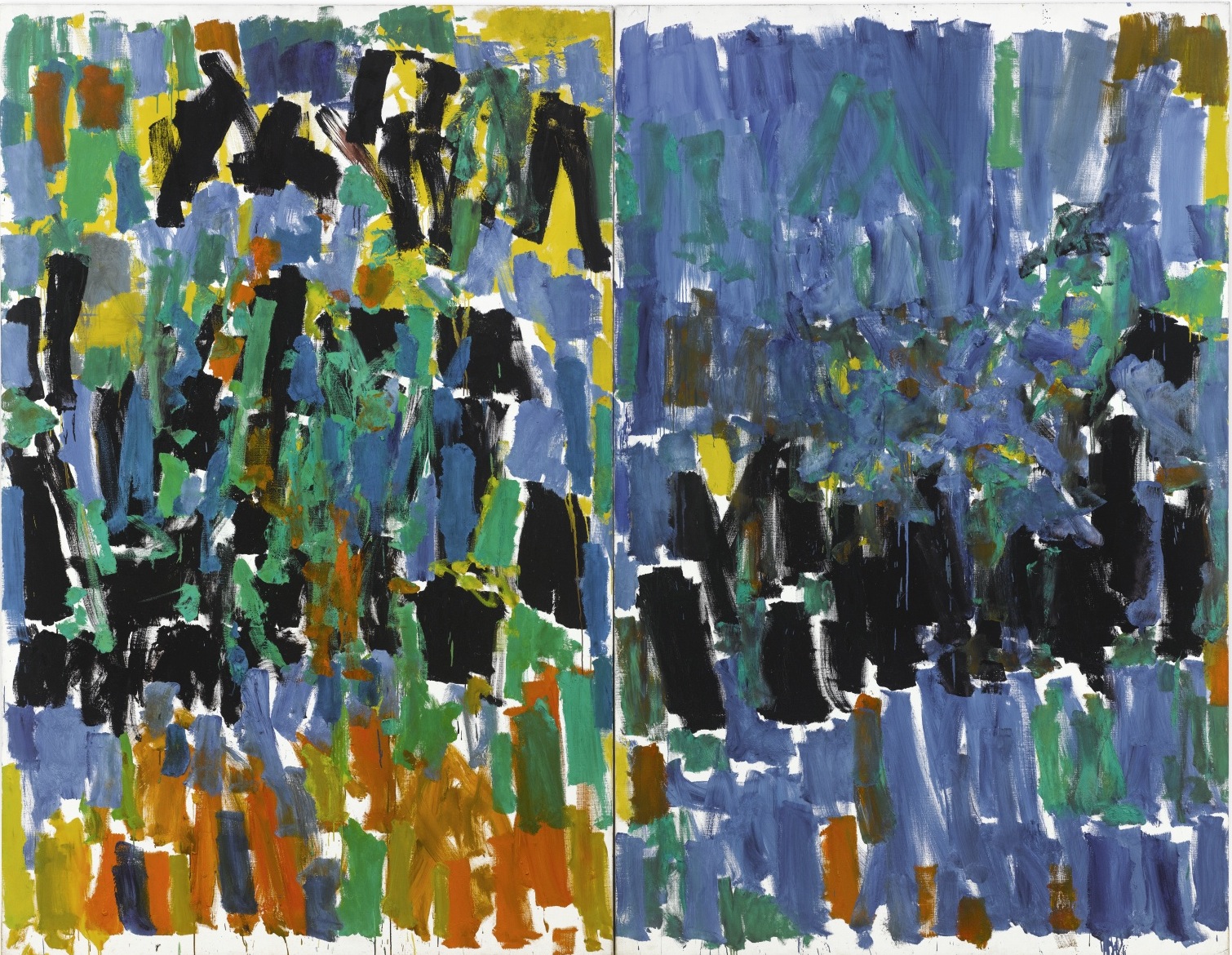
“In terms of sheer largeness of vision, of solving painterly problems with an almost incredible audacity, these oversize pictures from the 1970s have few rivals in all of modern American painting…It can be argued that these works mark Mitchell’s ascendancy to a level that few artists have attained, an achievement that would set the stage for her work to come” (Jane Livingston, ‘The Paintings of Joan Mitchell’, in: op. cit., 2002, p. 35)
Triumphantly heralding an irrepressible joie de vivre, No Room at the End is an arresting testament to the visual dynamism and profound emotive force of Joan Mitchell’s inimitable painterly oeuvre. A magnificent example of her commanding paintings of the late 1970s, the densely layered surface of the present work powerfully evokes the lush countryside of the artist’s home in Vétheuil, engulfing the viewer in a sensory tide of blooming countryside. Simultaneously, coursing across the monumental dual canvases, Mitchell’s impassioned strokes reveal an emotive intensity that transforms the riotously abstract painting into a vessel of profound self-expression. Reflecting upon the intimately personal nature of Mitchell’s practice, poet Nathan Keman notes that Mitchell’s paintings reveal an “attention to the most fleeting sensations; to her feelings; to remembered images of landscape, which she carried with her and which she re-visualized as marks made on canvas.” (Exh. Cat., New York, Cheim & Read, Joan Mitchell: The Presence of Absence, 2002, n.p.) A visual tour-de-force of color, gesture, and exhilarating painterly bravura, No Room at the End is wholly demonstrative of an artist at the apex of her expressive painterly abilities.
Executed on a truly monumental scale, No Room at the End constitutes a remarkable sensory engagement with the artist’s beloved countryside home in France. Founded in a visionary love of nature, combined with a painterly idiom rooted in abstraction, Mitchell’s oeuvre forged a conceptual union between the gestural canvases of the American Abstract Expressionists and the profoundly rich painterly idioms of the European Impressionists. Although Mitchell spent the first years of her career as a female painter within the predominantly male New York School, her relocation to Paris in 1959, then to the countryside of Vétheuil in 1968, afforded her the critical conceptual distance and creative freedom to create her own, utterly unique artistic practice. The artist’s home, surrounded by an expansive garden in which Mitchell planted sunflowers and other vibrant blossoms, brought an inimitable sense of joy to the paintings she executed between 1968 and the late 1970s. Mitchell’s biographer Patricia Albers declares, “From the time she acquired Vétheuil, its colors and lights pervaded her work. Loose allover quilts of limpid blues, greens, pinks, reds, and yellows… fairly burble, their colored lines and shapes registering a painter’s fast-moving hands as they rise steeply, floating between inner and outer worlds, to jostle and bank at their tops.” (Patricia Albers, Joan Mitchell: Lady Painter, New York, 2011, pp. 313-314) The abundant natural beauty of the French countryside is powerfully embodied in the vigorous layering of dense, jewel-toned pigment in the present work; rendered with an energetic gestural gusto, lush swaths of sunflower yellow, shimmering blue, and a subtle, earthy orange bloom across the monumental canvas to surround the viewer in the fragrant atmosphere of a springtime garden. The result is a composition evocative of the painterly abandon of de Kooning, the luminous vibrancy of Francis, and the exquisite specificity of Monet.
In their unapologetic vitality, Mitchell’s monumental works of the 1970s number among the most striking and painterly examples of the artist’s career. The sheer size of the present work, which spans almost twelve feet in width, testifies to the confidence and ambition of Mitchell’s artistic practice following her move to Vétheuil; indeed, unlike her Frémicourt studio, where oversized canvases had to be rolled in order to enter and exit the space, therein preventing the artist from covering her canvases in layers of sumptuous impasto, the high-ceilinged workspace in Vétheuil afforded the artist ample room to execute her towering theses on abstraction. While Mitchell’s earlier paintings interspersed vivid pigment with areas of blank canvas, the lush density of the present work is echoed in other monumental paintings of the same year, such as Rosebud, in the collection of the Albright-Knox, and Posted, held by the Walker Art Center; prefiguring her celebrated La Grande Vallée series of the early 1980’s, Mitchell’s swift, vigorous and thick mark-making in these paintings culminates in a luminous and buoyant image. Jane Livingston aptly reflected on this decisive transition in the artist’s oeuvre: “In terms of sheer largeness of vision, of solving painterly problems with an almost incredible audacity, these oversize pictures from the 1970s have few rivals in all of modern American painting… It can be argued that these works mark Mitchell’s ascendancy to a level that few artists have attained, an achievement that would set the stage for her work to come.” (Exh. Cat., New York, Whitney Museum of American Art, The Paintings of Joan Mitchell, New York, 2002, p. 35)
Consistent with Mitchell’s celebrated work of the 1970’s, the mesmerizing mixture of thick, emotive swathes of paint and looser, more spontaneous drips and strokes exhibited in No Room at the End suggests a corresponding progression towards greater emotional depth on the part of the artist. Noting this shift in the artist’s oeuvre, Klaus Kertess notes, “In 1975, Mitchell began to blur and bury the rhythmic rectangularity of her work in a heavily impastoed opacity, and then released an unremitting rain of strokes that engulfed most of her paintings, through 1984, in a passionately pulsing ‘alloverness.’ The larger size and scale mastered in the first half of the seventies now acquired greater visual and emotional depth. As she reached the age of fifty, her sense of wonder in nature not only remained intact but continued to expand, while her fear and rage at human loss had hardly subsided…Mitchell’s paintings now took on the full ripeness of maturity; furious intimacy gave way to a fuller understanding that her aloneness was as universal as it was uniquely personal. Her remembrances became more sonorous and varied.” (Klaus Kertess, Joan Mitchell, New York, 1977, pp. 34-35) Underlying the luminous blues and yellows of the present work, Mitchell’s thick black strokes instill No Room at the End with the poignant rhythm of experience, grounding the otherwise effervescent composition in maturity. In her unrepentant emphasis upon mark, each stroke retaining its autonomy whilst corresponding to a larger cohesive image, Mitchell’s canvas recalls the psychical intensity of van Gogh’s landscapes of the 1880’s. Of Mitchell, Kertess notes, “From painting to painting, there was a greater variety of color, mood, and format. The indivisibility between the strokes as a unit of visual structure and the stroke as a unit of intertwining natural and emotional forces reflects the influence of van Gogh, the powerful directness of his mark making that merged the seen with the felt.” (Klaus Kertess, Joan Mitchell, New York, 1977, p. 35) This intensification of emotive and painterly force is exemplified in No Room at the End as, in a joyful comingling of hues and texture, Mitchell renders the lush vibrancy which surrounded her; it is as if the sumptuousness of both sentiment and pigment has exceeded the canvas’ ability to hold them and they have burst free, coursing down the canvas face in a rain of pictorial dynamism.


Villa Brown Jerusalem


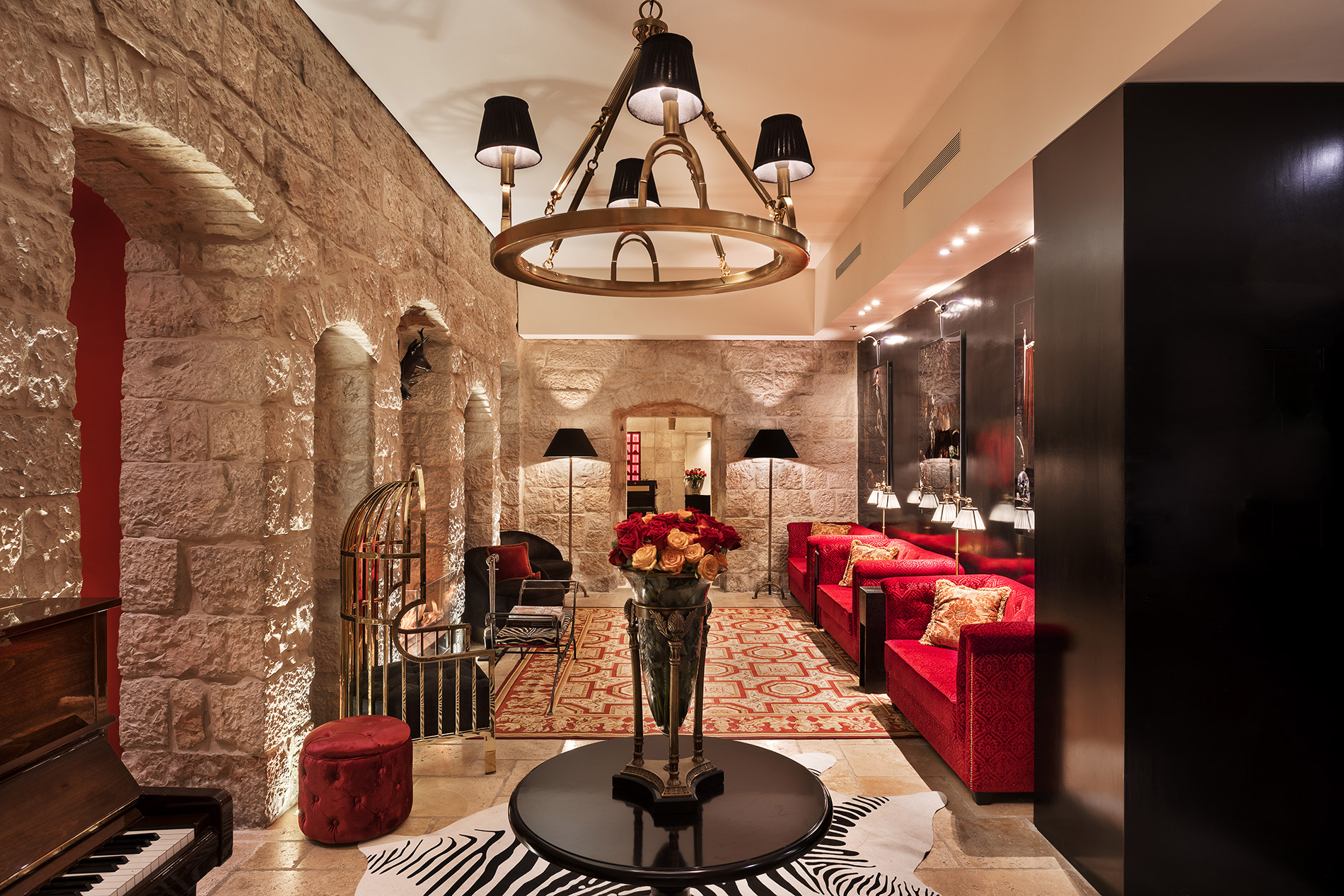
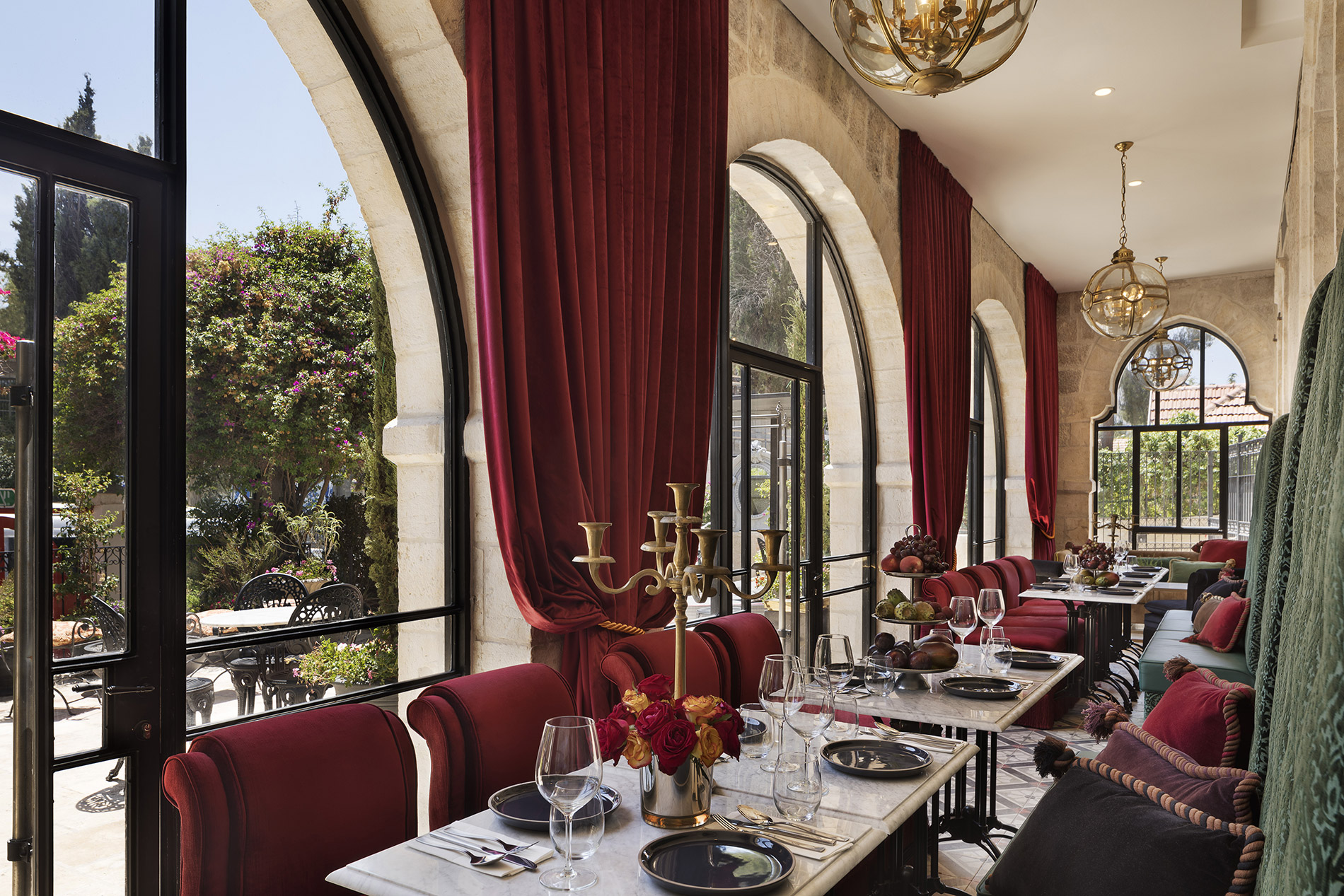


The new Villa Brown Jerusalem introduces contemporary boutique hospitality to the ancient city of Jerusalem, Israel. It resides in a renovated picturesque 19th century villa in the heart of Jerusalem, next to the Russian compound and overlooking the Ethiopian church. It is merely a 5 minutes’ walk to the old city walls and right by the city center, on 54 Ha'Neviim Street.
The villa was originally built as the family home of a wealthy Jewish doctor who served as the general manager of the Rothschild hospital in Jerusalem. Considered one of the most impressive in the area, the villa housed receptions and balls, and served as a meeting point for the local elite. It has now been fully renovated and two extra floors were added with services and facilities required to meet the needs of the savvy modern traveler. The hotel features 24 plush rooms and suites, a garden bistro-café, rooftop spa and terrace, meeting room, library and a unique underground "Cave Bar" located at the old water well underneath the house. DURING THE OPENING PHASE, SOME OF THE HOTEL’S AMENITIES MAY NOT FULLY OPERATE.
Villa Brown is a member of Brown Hotels , an international hotel brand founded in Tel Aviv, with sister hotels located in the city of Tel Aviv (the world acclaimed Brown TLV, Brown Beach House, Poli House and more hotels opening soon) and Trogir, Croatia (Brown Beach House Croatia). The Brown properties are all rooted in a devotion to service, design, innovation, style and authenticity, and are often recommended by the world's leading lifestyle, design and travel publications.
Address: 54 Ha'Neviim St. Jerusalem
Tel: +972-2-5011555
Email:villa@brownhotels.com
Cheteau Lafite Rothschild

“Lafite has a soul, a beautiful, generous, kindly soul. Lafite turns bare earth into heaven. Lafite is harmony, a harmony between man and nature, because without our magnificent winegrowers, nothing would be accomplished.”
Baron Eric de Rothschild
In 1815, Guillaume Lawton said of Château Lafite, “I consider it to be the the most elegant and delicate, with the finest substance of the three (Premier Crus). The location of its vines is one of the finest in the Médoc”. In 1855 the Château was ranked as a Premier Grand Cru in the famous classification that was prepared for the Universal Exhibition of that year.






Mélisse - Los Angeles


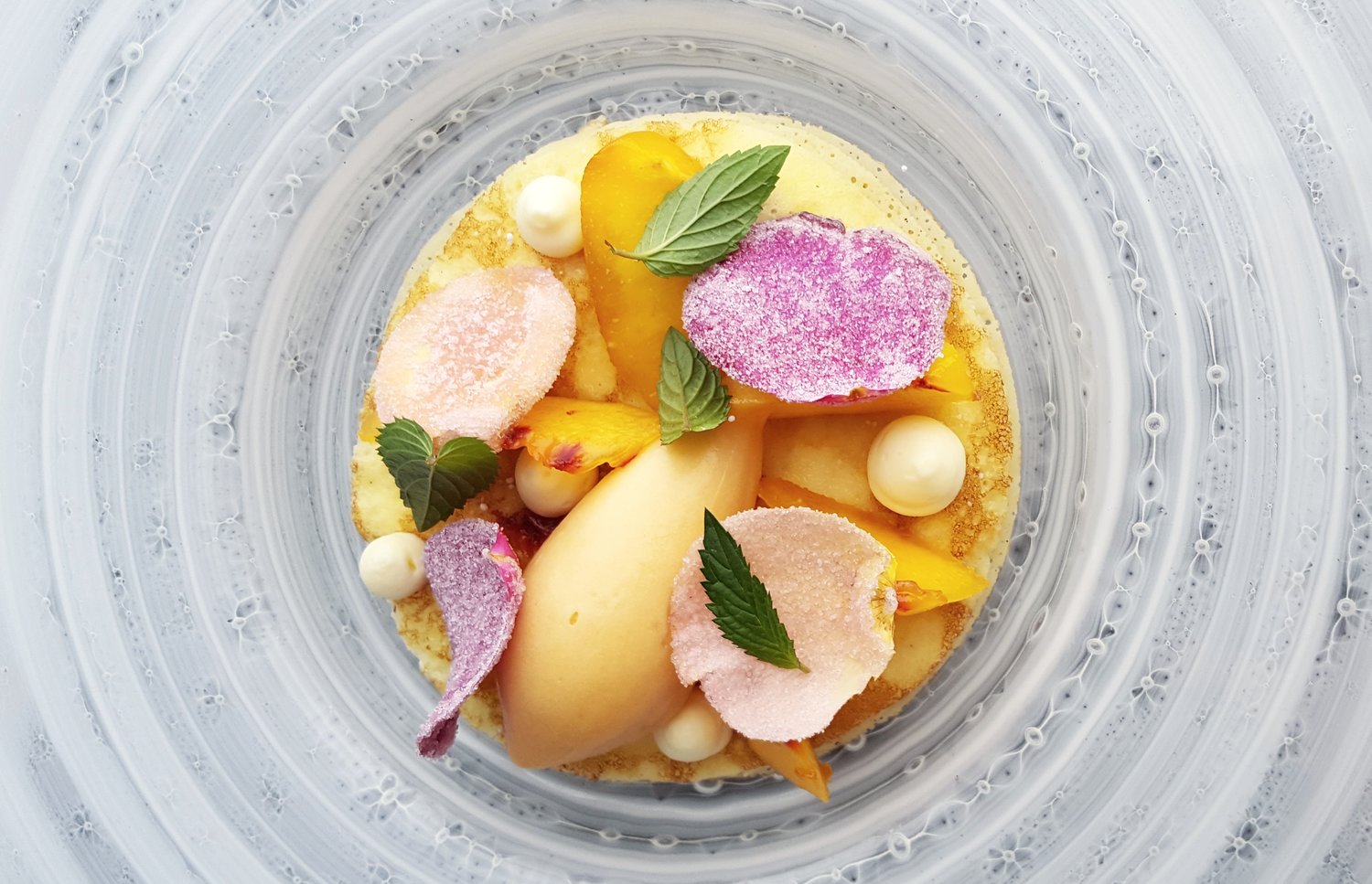
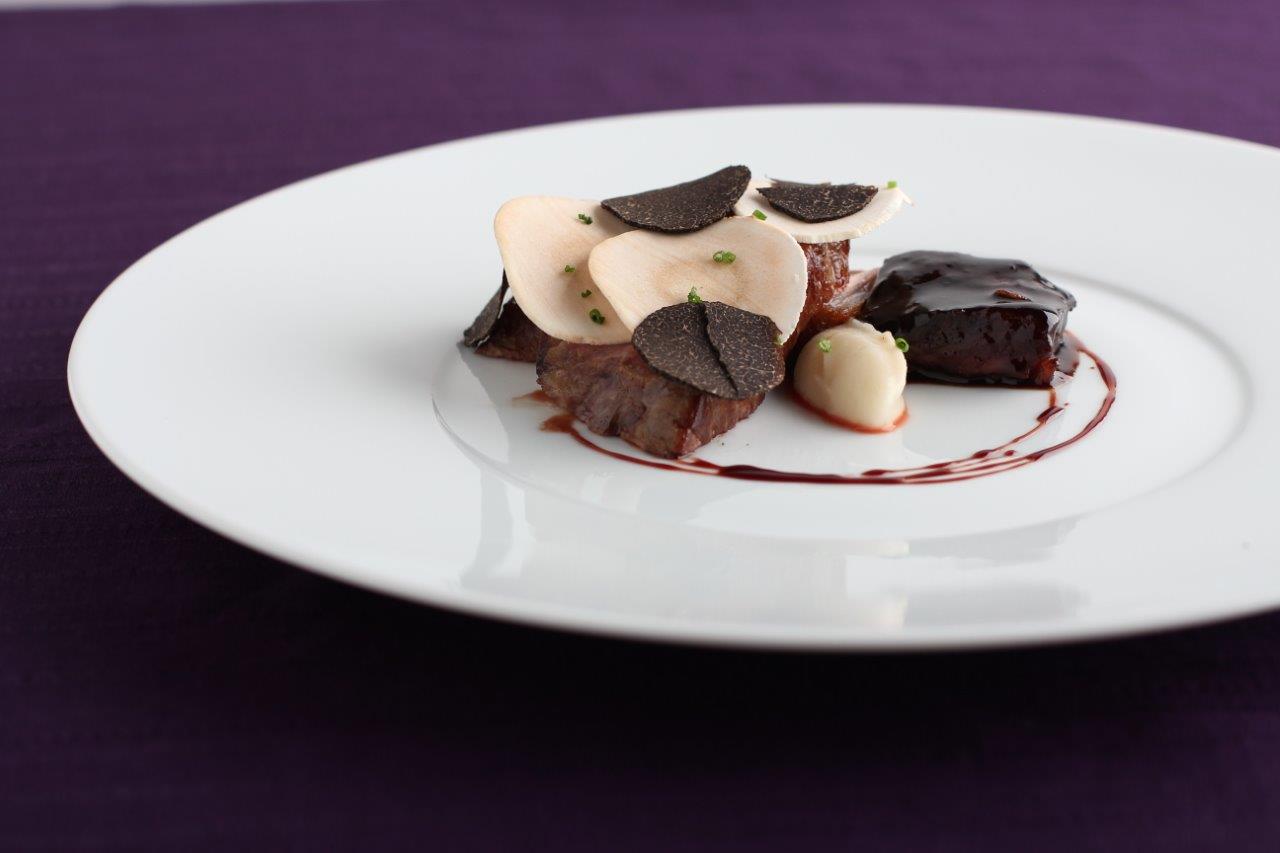
Nothing signifies fine dining more than crisp white tablecloths and servers in suits. Mélisse has both. Hidden in plain sight in Santa Monica, this French gem offers tasting menus only, (starting at $145 per person), highlighting quality seasonal ingredients selected by chef Josiah Citrin. Featured dishes include Maine diver scallops with black truffle coulis, Millbrook Farms venison with foie gras and porcini mushrooms, and sticky toffee date pudding. The beautifully plated fare is enhanced by the warm ambience of a purple-hued dining room, lending an entirely elegant dining experience. Don't miss Citrin's "Egg Caviar" ($25 supplement), a soft poached egg served in an egg shell with lemon crème fraîche and topped with American Osetra caviar. "Fine" doesn't even begin to describe it.
By: Jason Kessler