The Largest Private Landowners in the United States


1. Stan Kroenke
Stan Kroenke currently holds the title as the largest private landowner in the United States, controlling approximately 2.7 million acres of land across the American West.
His portfolio includes some of the most iconic ranches in the country, including the historic Waggoner Ranch in Texas and vast properties in Wyoming, Nevada, and New Mexico. A massive acquisition of 937,000 acres of ranchland in New Mexico in 2025 pushed him to the top of the national ranking.
Kroenke built his fortune through real estate investments and sports ownership, controlling franchises such as the Los Angeles Rams, Denver Nuggets, and Colorado Avalanche.
2. Red Emmerson & The Emmerson Family
The Emmerson family, owners of Sierra Pacific Industries, control about 2.44 million acres of timberland across California, Oregon, and Washington.
Their holdings represent one of the largest privately managed forest systems in the United States. The company is also one of the nation’s largest lumber producers, operating multiple sawmills and forestry operations throughout the West.
3. John Malone
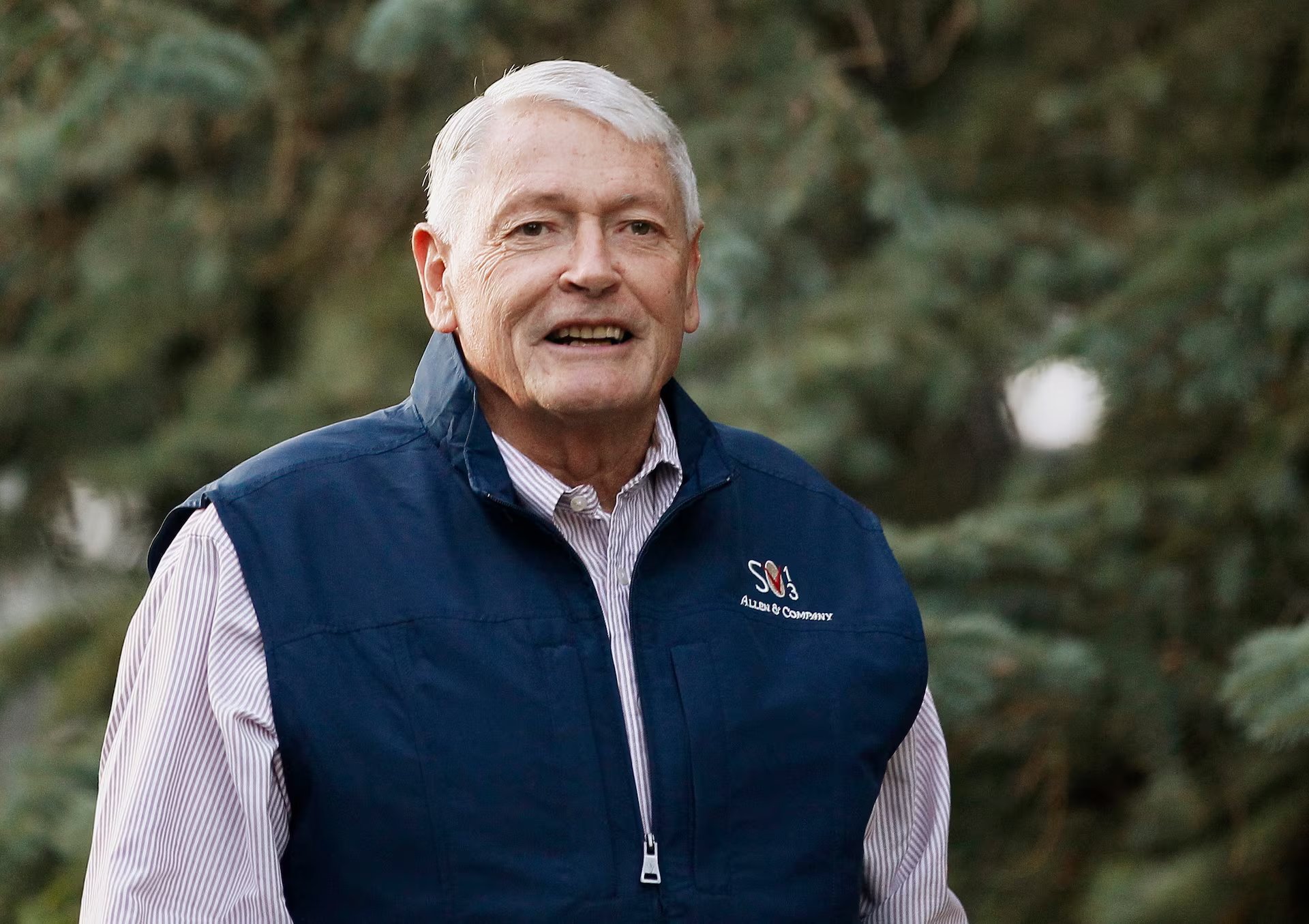
Media billionaire John Malone, chairman emeritus of Liberty Media, owns approximately 2.2 million acres of land across the United States.
Malone’s landholdings span several western states, including Colorado, Wyoming, and New Mexico. Many of these properties are used for ranching, conservation, and recreational development.
4. Ted Turner
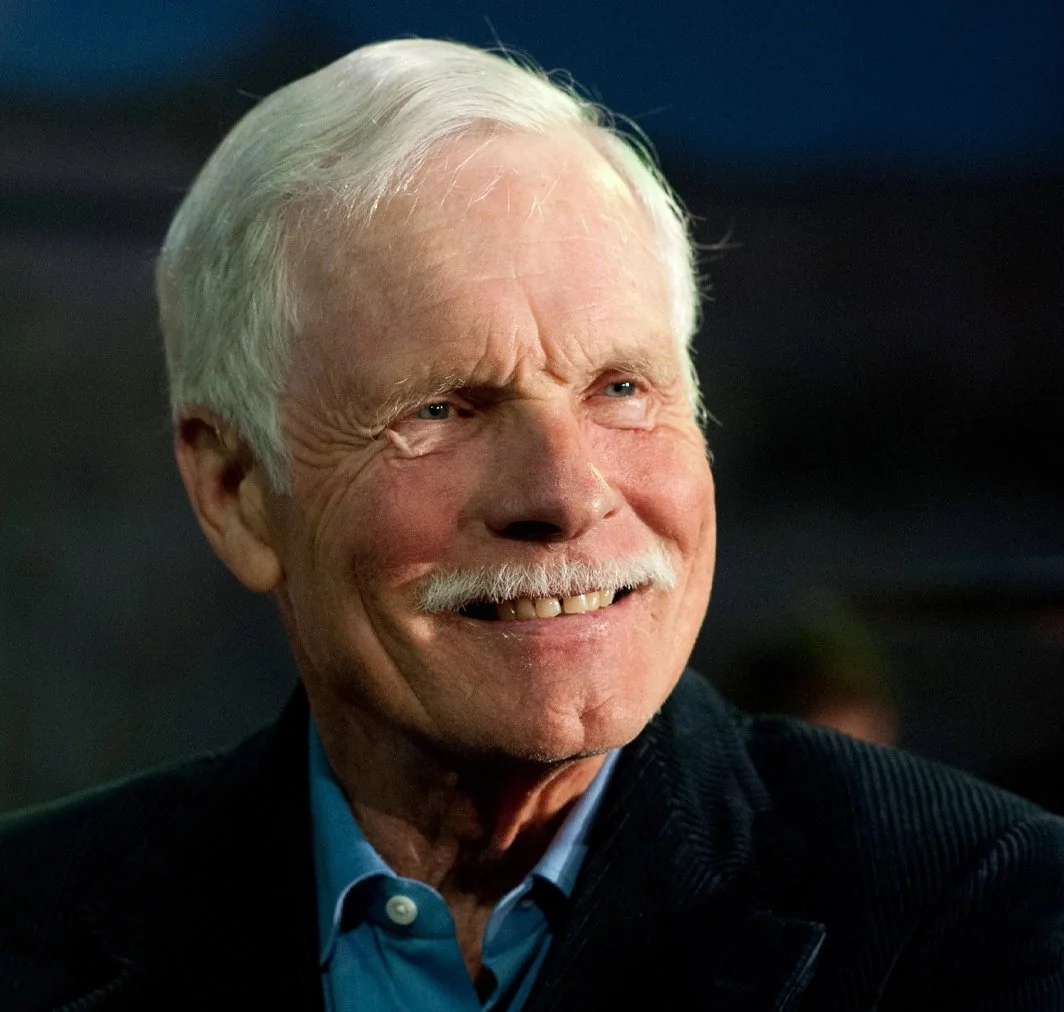
CNN founder Ted Turner ranks among the largest landowners in the country with roughly 2 million acres spread across ranches in the American West and Southeast.
Turner’s properties are widely known for conservation efforts. His ranches support one of the largest private herds of American bison and operate under environmentally sustainable land-management practices.
5. The Reed Family
The Reed family, owners of forestry operations in the Pacific Northwest and Maine, control about 1.6 million acres of timberland in the United States.
Their holdings support timber production and sustainable forestry, contributing to regional economies and the U.S. wood products industry.